Efficient Creature Removal: Defend Your Home and Land
Effective wildlife removal is vital for property owners dealing with potential threats from animal intrusions. These intrusions can result in substantial structural harm and health risks. Recognizing the urgency of addressing wildlife issues is essential. Understanding the indicators and learning when to obtain professional help can make all the difference. But what are the most common wildlife intruders, and how can one successfully safeguard against them? The answers may astonish you.
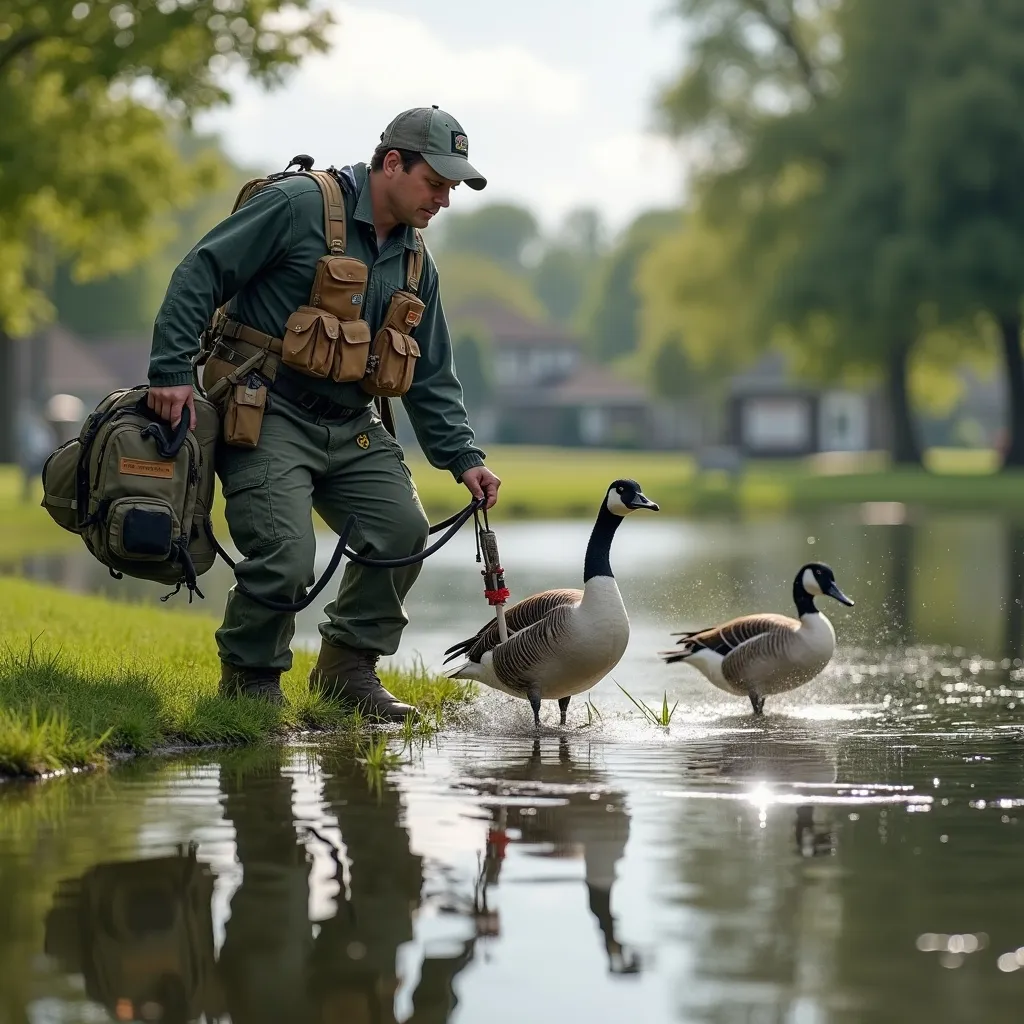
Why You Need to Move Quickly Against Animal Invasions
Wildlife incursions can accelerate, causing notable damage and health risks. When animals invade residential areas, they can undermine structural integrity, chew through wiring, and contaminate food sources. Furthermore, the presence of wildlife can spread diseases, posing serious health threats to both humans and pets. Prompt action is vital to mitigate these risks and prevent further complications.
Failing to address the matter may produce expensive repairs and substantial restoration work. Additionally, certain check this resource species are capable of multiply quickly, increasing the population and exacerbating the situation. Timely intervention not only protects property but also ensures a more secure habitat.
Engaging expert wildlife control can offer effective solutions tailored to distinct wildlife issues. Quick response is crucial to regain tranquility and safeguard homes from the unpredictable nature of animal invasions. Ultimately, rapid intervention strategies can markedly diminish the risk of permanent harm and wellness threats associated with these incursions.
Indicators That You Have a Wildlife Problem
How can an individual determine if a wildlife issue is present in the vicinity? Numerous indicators can suggest the arrival of unwelcome animals. Homeowners may detect odd sounds, such as scratching or rustling noises, particularly during nighttime. Moreover, feces or footprints may appear on the property, revealing the kind of animals present. Deterioration to insulation, wires, or wooden structures can also suggest an invasion, as several animals seek protection in attics or crawl spaces.
An additional indicator comprises gnawed food packaging or overturned garbage, indicating foraging behavior. Furthermore, openings or burrows near the base may indicate access points for pests. Mysterious smell, often connected to habitation or debris, can be a major warning sign. Identifying these indicators early is essential for effective management and prevention, ensuring that homeowners can take appropriate steps before the situation worsens.
Top Advantages of Expert Wildlife Removal Services
Opting for professional wildlife removal services yields numerous gains for homeowners facing unwanted animal intrusions. Notably, experts impart advanced expertise and experience, ensuring safe and effective removal of wildlife without harming the animals or the property. These professionals harness state-of-the-art methods and tools, which can surmount complex situations that homeowners might not be capable to handle.
Moreover, expert providers often deliver thorough inspections to identify possible access areas, assisting in avoiding future infestations. This proactive approach not only mitigates immediate concerns but also safeguards the home over time. Furthermore, many wildlife removal companies provide warranties or guarantees, providing homeowners peace of mind.
Lastly, depending on professionals reduces the risk of injury from animal meetings, ensuring a safer environment for families and pets. Overall, investing in professional wildlife removal can save moments, strain, and potential infrastructure damage.
Identifying Typical Animal Invaders in Your House
Homeowners regularly face different kinds of wildlife that can intrude upon their living spaces, each presenting unique challenges. Common intruders consist of raccoons, squirrels, and rodents, which can wreak havoc if not addressed promptly. Raccoons are famous for pillaging attics and basements, attracted by food sources or shelter. Squirrels often nest in roofs or eaves, creating potential structural damage. Rodents, such as mice and rats, can invade homes in search of food, depositing droppings and contaminating living areas.
Also, feathered pests may breach open vents or chimneys, creating noise and mess. Each species carries specific risks, including disease transmission and property damage. Spotting the evidence of these intrusions—such as droppings, twigs and bedding, or scratching sounds—can assist homeowners pursue fast response. Swift identification is indispensable in preventing further complications and maintaining a safe, healthy household space.
Do-It-Yourself versus Professional: What Is Optimal?
When considering wildlife removal, parties often balance the advantages of DIY methods in contrast to paid expertise. Expense, protection, and sustained efficiency are significant factors shaping this decision. Recognizing these aspects can help homeowners make an informed choice that best fulfills their wants.
Cost Analysis For Elimination
Choosing between DIY wildlife removal and employing a specialist can significantly impact both duration and expenses. DIY techniques often seem budget-conscious, as they typically involve minimal upfront expenses, such as purchasing traps or deterrents. Yet, hidden costs may occur from potential damages or repeat infestations. On the other hand, professional services tend to have a higher initial fee but provide expertise, efficiency, and a guarantee of results. Professionals have the required equipment and expertise to handle a range of animals safely and effectively, potentially saving homeowners from costly mistakes. Ultimately, the decision rests on individual circumstances, including budget, urgency, and the complexity of the wildlife issue at hand. Assessing these elements helps ensure a better choice.
Safety and Health Problems
Engaging in animal control involves considerable safety and health risks, especially if individuals choose to do it themselves. Those without training may encounter aggressive animals, resulting in possible injuries or bites. Moreover, many wildlife species carry diseases such as rabies, hantavirus, or leptospirosis, posing major health risks to those ill-equipped to manage them. Incorrect handling can also cause exposure to parasites like fleas and ticks, further endangering health. On the contrary, professional animal control professionals possess the required training, tools, and knowledge to effectively mitigate these risks. They use safety procedures, safeguarding both animals and humans. Overall, professional expertise reduces the risk of accidents and health problems related to wildlife removal.
Lasting Capability Determinants
The long-term effectiveness of animal control methods copyrights on various factors, particularly when comparing DIY approaches with expert solutions. DIY strategies often miss the knowledge and equipment essential for thorough removal and preventive measures, leading to repeated pest problems. Property owners might unintentionally miss entry points or neglect to identify the signs of a larger problem. In contrast, experts possess specialized training and experience, allowing them to recognize and resolve problems more effectively. They also establish preventive measures to minimize upcoming dangers. Cost considerations may drive people toward DIY options, but spending money on professional services can yield better long-term results. In the end, the choice between DIY and expert help should be guided by the complexity of the wildlife problem and the homeowner's commitment to funding a sustainable solution.
Successful Solutions to Deter Wildlife Invasions
Developing solid strategies to minimize animal invasions is fundamental for upholding a secure and serene atmosphere. Homeowners should move forward by fortifying accessible openings and gaps. This necessitates closing cracks in footings, structural walls, and roof areas, in addition to fitting screens on exhaust vents and fireplace chimneys. Moreover, reducing food attractions is paramount; responsibly containing refuse and taking out pet food can discourage wildlife from approaching your residence.
Landscaping carries an significant weight. Keeping trees trimmed and preserving a spotless yard limits spots where wildlife can take shelter. Furthermore, using non-toxic deterrents, including motion-sensing lights or noise devices, can effectively stop animals from entering the property.
Regular assessments of the residence and adjacent environment facilitate the timely identification of potential problems. In the end, informing household members about wildlife patterns encourages consciousness, permitting preventive actions to be executed. By implementing these techniques, homeowners can significantly reduce the chance of undesired wildlife intrusions.
What Unfolds Throughout a Wildlife Removal Treatment?
During a wildlife removal service, professionals begin with a thorough initial inspection to identify the extent of the concern. Following the inspection, ethical trapping methods are engaged to safely capture the animals. Finally, prevention steps following removal promise that future intrusions are minimized, insulating the property from additional creature problems.
First Inspection Procedure
Wildlife removal programs begin by conducting a meticulous inspection of the property to spot evidence of pest infestation and potential entry points. Trained professionals carefully inspect inside and outside areas of the property, seeking droppings, nests, or damaged insulation that indicate the presence of animals. They assess the structure's integrity, examining for openings in eaves, vents, and foundations that could enable animals to access the property. This initial assessment can involve the use of specialized tools to detect underlying concerns. The insights obtained throughout this inspection is essential for formulating a custom-made removal strategy, confirming that the approach resolves the particular wildlife problem in an effective manner while minimizing damage to the property and occupants.
Humane Capture Methods
Numerous wildlife removal companies focus on humane trapping methods to guarantee the safe relocation of animals. These professionals utilize cage traps created to catch wildlife without injury. Normally, bait is used to attract the animal, ensuring it steps inside willingly. Once captured, the animal is monitored to reduce anxiety and discomfort.
Once the creature is contained, the service assesses its health and disposition prior to relocation. This procedure commonly involves transporting the creature to a set location far from human inhabited areas, ensuring it is able to survive in an suitable environment. Throughout this method, the focus remains on the welfare of the animal, following local laws and moral norms. By choosing humane trapping, teams support a balanced coexistence between humans and wildlife.
Steps to Avoid Issues Following Removal
Once the intruders has been thoroughly driven out, the next important phase focuses on preventive care to make certain that related problems do not arise in the future. This entails a exhaustive inspection of the property to pinpoint feasible access spots, such as fractures in roofing, ducts, or foundations. Sealing these entrances with appropriate materials is essential to repel subsequent wildlife. Also, house owners are advised to sustain a orderly area by removing food sources and clutter that could pull in wildlife. Constructing protective installations, such as barriers or cloth barriers, can further secure vulnerable areas. Frequent maintenance and assessment of the property confirm that any signs of wildlife activity are tackled promptly, keeping safe both home and property from upcoming intrusions.
Frequently Common Questions
What Community Regulations Affect Wildlife Removal Services?
Local requirements for wildlife removal services typically require permits, compliance with ethical treatment standards, and adherence to state laws concerning particular animals. These requirements ensure the protection of both wildlife and the community's safety and welfare.
What Approaches Enable Me to Securely Keep Wildlife Away Without Causing Harm?
To humanely discourage wildlife, one can apply non-lethal methods such as motion-sensor lighting, organic deterrents, and secure garbage containers. Additionally, keeping spaces clean minimizes food sources, encouraging animals to seek alternative habitats.
Certain Periods of the Year Bring More Wildlife Intrusions — But When Exactly?
Wildlife encroachments tend to surge during spring and fall. Spring carries young animals in need of food, while fall often sees creatures searching for warmth and shelter, increasing the chance of confrontations with human habitats during these seasons.
What Can I Act if I Spot Orphaned Wildlife?
If you discover parentless wild creatures, keep your distance and watch, avoid touching directly, and reach out to regional animal care organizations or authorities for advice, confirming the creatures obtain appropriate assistance and treatment from qualified specialists.
What Methods Can I Instruct My Family About Wildlife Safety?
To teach the family regarding safe interactions with wildlife, one might arrange educational sessions, offer details on local species, establish protective outdoor practices, and encourage respect for wildlife habitats, generating consciousness and conscientious interactions with nature.
Comments on “East Liberty top copyright Control for Effective Wildlife Management”